







If dental implants are on your mind, you’re likely seeking a tooth replacement option that feels secure, functions comfortably, and supports long-term oral health. Many patients start by researching online or consulting their general dentist, only to discover an essential next step: a surgical evaluation. An oral surgery consultation connects your goals with a safe, predictable plan for replacing missing teeth.
At Implant & Oral Surgery of Columbus, our Gahanna and Columbus-based team serves patients throughout Central Ohio with compassionate care, clear explanations, and honest communication. A consultation provides time to ask questions, explore treatment options, and understand what your jawbone and gums need for stable, lasting results.
Why a consultation matters before committing to dental implants
Dental implants are not a one-size-fits-all solution. Your natural tooth structure, gum tissue, and bone health influence how a new tooth can be supported over time. A consultation allows an oral surgeon to evaluate the full picture before scheduling any procedure.
This first visit also helps you avoid surprises. If you assumed placing an implant is as simple as filling a cavity, it’s important to understand how implant placement depends on the health and shape of the jaw. Planning upfront supports patient comfort and safety while reducing the risk of complications during healing.
What happens during an oral surgery consultation?
Many patients feel more at ease once they know what to expect. An oral surgery consultation is straightforward and focuses on your unique needs, dental history, and tooth replacement goals.
Your visit typically includes:
- A review of your medical history and overall health, including factors that may affect healing
- An exam of your mouth, gums, and neighboring teeth
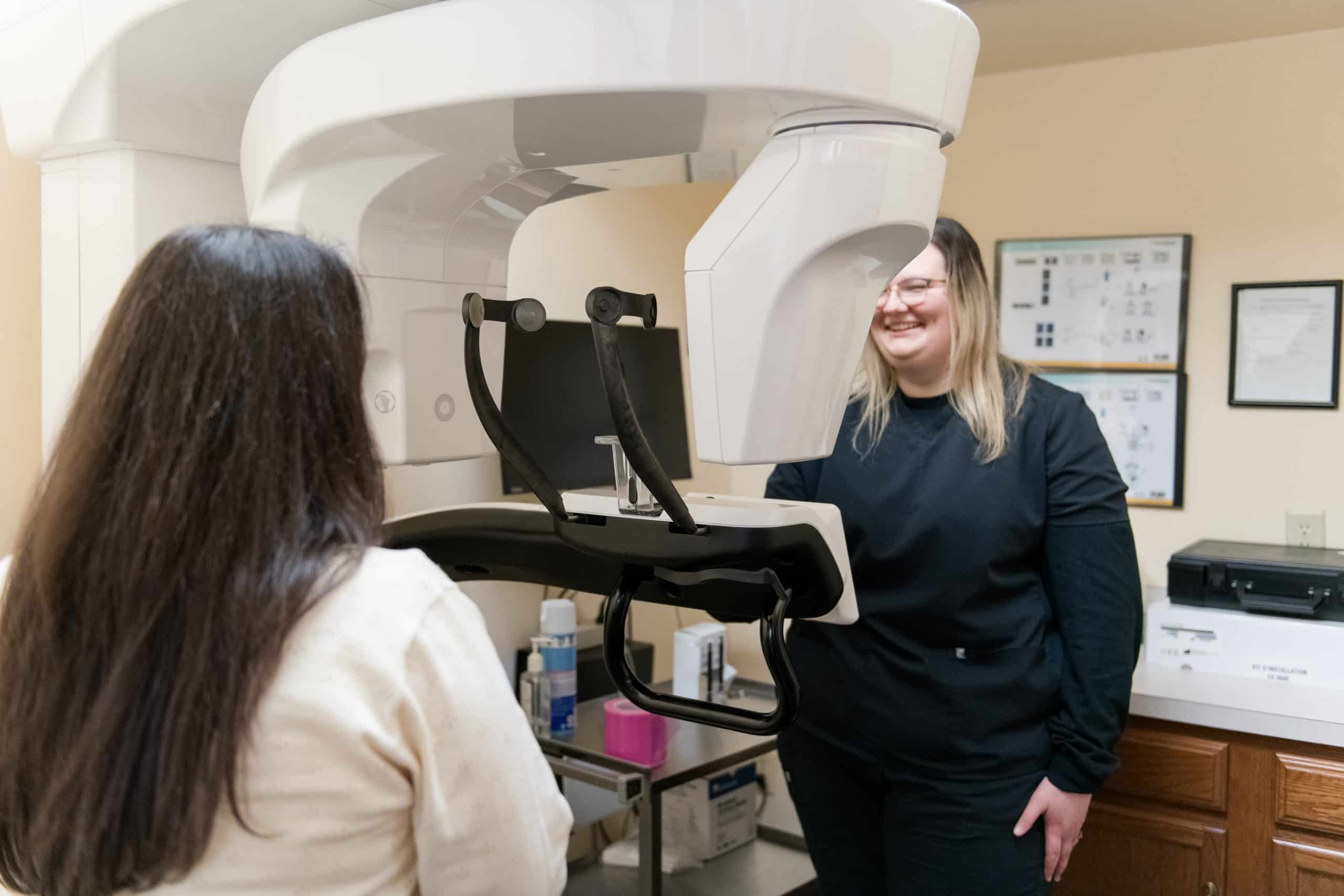
- Imaging to evaluate jawbone structure and determine the number of teeth needing replacement
- A discussion of treatment options, such as single-tooth implants, full-arch support, or alternatives like dentures or bridges
- A clear explanation of the stages of implant surgery and the healing process
This is also the time to discuss timing and comfort. Your surgeon will explain anesthesia options, what to expect after surgery, and how to care for the area during recovery.
How bone loss affects dental implants
Bone loss is a common reason implant plans require careful evaluation. After tooth loss or extraction, the jawbone can lose volume and density over time. Gum disease may also contribute to changes in bone support. Because implants need a stable foundation, the quality and quantity of jawbone directly influence the treatment plan.
During your consultation, your surgeon will assess bone support and may recommend bone grafting if necessary. Bone grafting strengthens and rebuilds the jaw to ensure secure implant placement and predictable outcomes. This step often supports long-term oral health and helps the final result feel more like natural teeth.
Are you a good candidate for dental implants?
A common question is whether you’re a good candidate for dental implants or if a temporary solution might be better. Candidacy depends on factors like bone levels, gum health, bite forces, and medical considerations. Some patients have a single missing tooth, while others have multiple missing teeth affecting chewing and stability.
A consultation provides clear answers based on your oral health. If you have active gum disease, your surgeon can coordinate with your dental team to address it before moving forward. If you’ve been without teeth for years, your surgeon will evaluate how that has affected your bone and what support you may need for implants.
Coordination with your restoring dentist for predictable outcomes
Dental implants typically involve both surgical and restorative steps. The oral surgeon places the implant, while your general or restorative dentist completes the process with the visible restoration, such as a dental crown or bridge.
Collaboration ensures the implant is positioned correctly for function and appearance. It also protects adjacent teeth and supports a balanced bite. When the surgical and restorative plans align, you achieve a more stable result and a smoother transition to replacement teeth that feel natural.
Understanding the stages of dental implant surgery
Patients appreciate knowing that implant treatment is completed in stages. Your consultation clarifies these steps, including timelines and how to support healing at home.
A typical sequence includes:
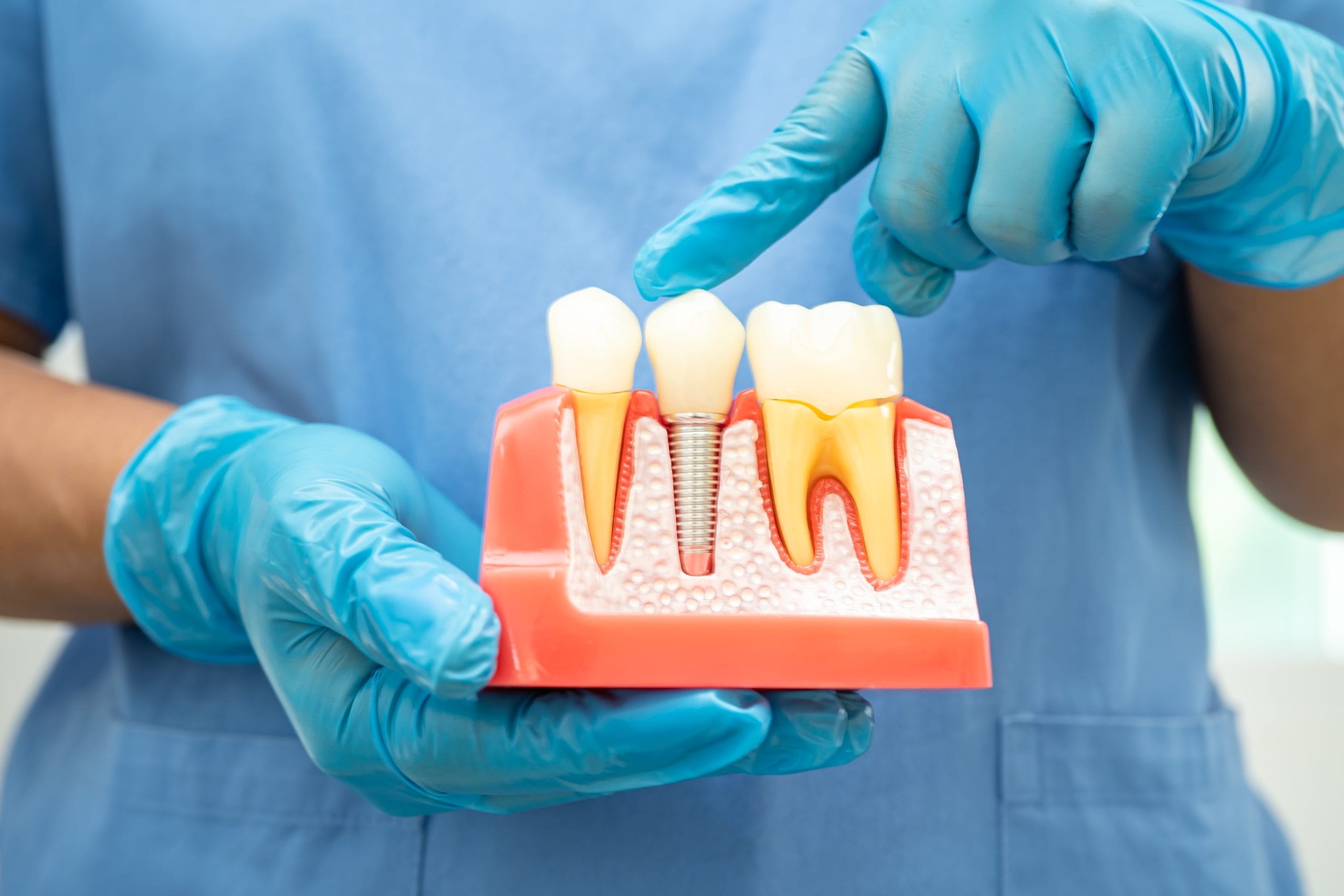
- Implant placement: The surgeon places the implant body, which acts as the root of a natural tooth.
- Healing and integration: The implant integrates with the jawbone as it heals.
- Second minor surgery (if needed): The surgeon may place or uncover a small connector post to support the next phase.
- Final restoration: Your restorative dentist attaches the abutment and dental crown or bridge to complete the process.
Some patients may receive a temporary tooth during healing, depending on the plan and implant location. Your surgeon will provide guidance on protecting the area, choosing appropriate foods, and resuming normal activities. Post-surgical soreness is often managed with over-the-counter pain relievers and professional monitoring.
Exploring implant options: single tooth, full arch, and mini implants
Your consultation helps determine which implant approach fits your needs. A single-tooth implant may be ideal for one missing tooth, while a full-arch option can restore multiple missing teeth with more stability than dentures.
Some patients inquire about mini dental implants. The right choice depends on factors like bone support, space, and long-term function. A surgical consultation clarifies what works best for your anatomy and goals. You’ll also discuss potential restorations and what your new teeth may look and feel like.
Benefits of dental implants for function, stability, and confidence
Patients often compare implants to bridges or dentures. While each option has its place, many choose implants for their stability and natural feel. Anchored in bone, implants provide a secure foundation for artificial teeth.
Key benefits of dental implants include:
- Supporting oral health by limiting bone loss
- Offering a secure, natural-feeling foundation
- Improving chewing comfort and daily function
- Enhancing quality of life and confidence
Your surgeon can also discuss factors influencing long-term success, such as bone health, smoking, medical history, oral hygiene, and regular dental visits.
Protecting your oral health after tooth loss
If you’re still deciding on treatment, you can take steps now to protect your oral health. Keeping the area clean and maintaining gum health supports better options later, whether you choose implants or another solution.
Focus on these basics:
- Schedule regular dental visits to catch changes early
- Practice good oral hygiene around the missing tooth site
- Manage gum disease with your dentist’s guidance
- Consider timing, as longer gaps can lead to shifting teeth and bone changes
These steps support your overall health and help your dental team create a manageable, well-paced plan.
Ready to discuss your dental implant procedure?
If you’ve been referred for oral surgery or are exploring tooth replacement options, Implant & Oral Surgery of Columbus is here to help. Dr. Chintan Patel and our Gahanna team welcome patients from Columbus, Worthington, and surrounding areas with personalized care and guidance through recovery.
Request an appointment to schedule your consultation. You’ll receive clear explanations, thoughtful planning, and support for your next step toward stable, comfortable tooth replacement.