

Losing a tooth can feel like an isolated problem, especially if the gap is not visible when you smile. In reality, bone health Before Tooth Replacement plays a crucial role in how well your mouth functions now and how stable your solution will be long-term. When a tooth is missing, the jawbone in that area can begin to change, and those changes can affect comfort, facial structure, and future treatment options.
At Implant & Oral Surgery of Columbus, our team focuses on clear explanations, honest communication, and specialized oral surgery care so patients throughout Central Ohio can move forward with confidence. If you have been referred for dental implants or bone grafting, understanding jawbone health is one of the best first steps you can take.
Why jawbone health matters after tooth loss
Your jawbone is living tissue that responds to pressure and stimulation. Natural tooth roots provide necessary stimulation when you chew and bite. After tooth loss, that stimulation stops in the specific area where the tooth used to be, and the bone can begin to shrink over time. This process, called bone resorption, is a common reason people experience gradual bone deterioration after missing teeth.
Bone loss doesn’t just affect the space where the tooth was. Changes in bone structure can influence the gum line, the support for nearby teeth, and the balance of your bite. Over time, some patients notice subtle facial structure changes, including a more sunken appearance around the mouth if significant bone loss occurs.
Dental implants depend on healthy bone for a solid foundation
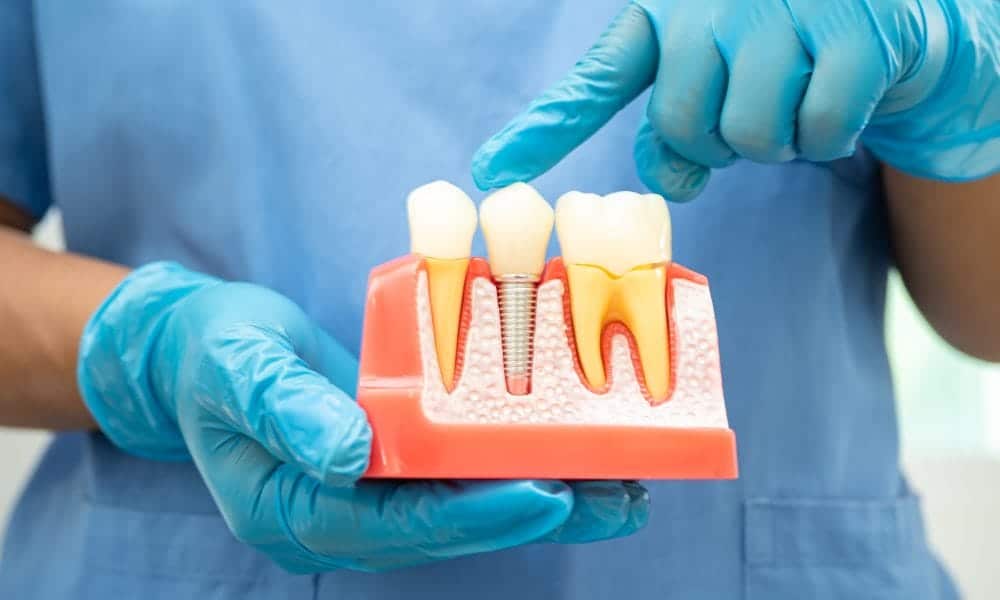
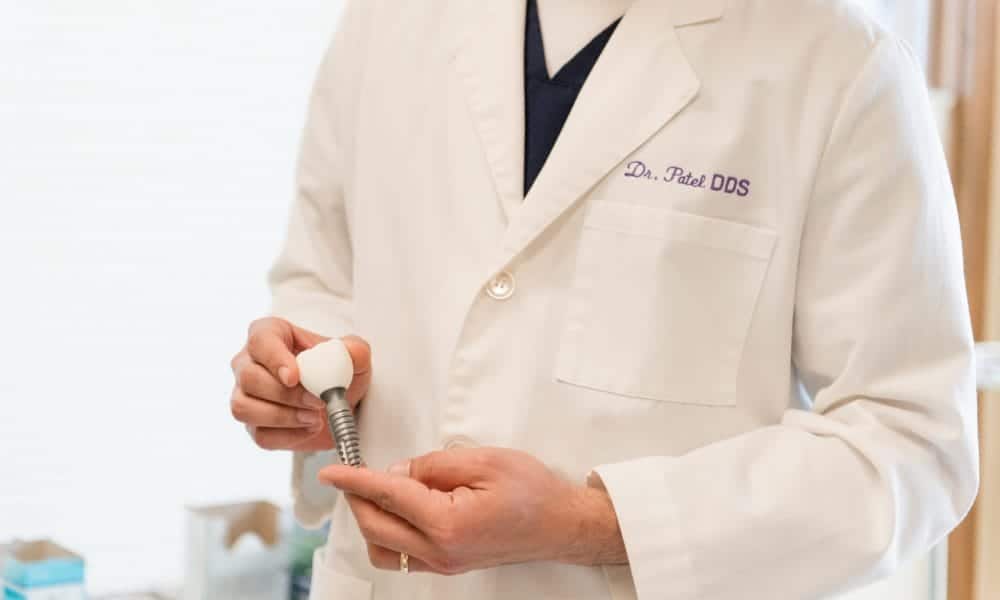
Dental implants are designed to replace an artificial tooth root beneath the gums. In implant placement, a small titanium post is inserted into the upper or lower jaw, where it integrates with the surrounding bone. As healing progresses, the implant fuses with the bone, creating a strong, stable base for the final crown or other restoration.
That bond between implant and bone is a key part of dental implant success. For predictable outcomes, the implant site needs enough bone quality and density to support the implant as it heals and begins handling chewing forces. When there is missing or thin bone at the site, the treatment plan often includes steps to rebuild support first.
How bone loss happens (and why it can be easy to miss)
Many patients are surprised when they learn they have bone loss because it often develops quietly. You may not feel pain in the jaw as bone density changes, especially if the area has already healed from a tooth extraction. Bone loss is commonly associated with:
- A history of tooth extraction without timely tooth replacement
- Gum disease and periodontal disease that affect supporting tissues
- Long-term tooth loss and lack of stimulation to the jawbone
- Medical factors and lifestyle choices that influence healing and bone tissue
- Inconsistent dental care and fewer regular dental visits
Even when you feel fine day to day, changes in jawbone health can reduce tooth replacement options later. Early evaluation helps patients protect overall oral health and avoid limitations that develop as bone resorption progresses.
What does “bone health Before Tooth Replacement” mean in real life?
Bone health Before Tooth Replacement means your oral surgeon evaluates the health of your jawbone before deciding when and how to replace a tooth. This assessment may include an exam, imaging, and a review of your medical history to understand bone structure, healing potential, and risk factors.
The goal is to confirm you have healthy bone tissue where the implant is planned or to identify where bone grafting can rebuild support. It’s a way to protect patient comfort and safety while improving implant success rates. Careful planning also supports long-term function, stability, and confidence once your restoration is complete.
Bone grafting: creating support for implant placement
Bone grafting is a surgical procedure that adds bone material to an area that has lost volume or strength. The grafting material acts as a framework that supports new bone formation during the healing process. Over time, your body integrates the graft material, developing stronger bone where support is needed.
At Implant & Oral Surgery of Columbus, bone grafting is part of thoughtful treatment planning when jawbone health needs to be improved for dental implants. Some patients need bone grafts before implant placement, while others may be candidates for grafting at the same time as the implant procedure. The right approach depends on the area of missing bone, your overall oral health, and the surgical goals for stability.
Common situations where bone grafts support dental implant success
Bone grafting can be recommended for several reasons, and each one ties back to building a stable base for tooth replacement. Your surgeon may discuss grafting when there is:
- Noticeable ridge changes after tooth loss that affect bone structure
- Significant bone loss that limits implant size or positioning
- Thin bone in the upper jaw that needs additional support
- A site where bone deterioration could increase the risk of implant failure
For some patients, a sinus lift is also part of preparation for implants in the back of the upper jaw. This procedure helps create space and support when the sinus area and bone height limit safe implant placement.
Bone density, bone quality, and implant stability
Patients often hear terms like bone density and bone quality and wonder what they mean. Bone density refers to how much bone is present in a given area, while bone quality describes the strength and structure of that bone tissue. Both influence how well an implant can stabilize during healing and how reliably it can support biting forces later.
Strong bone and healthy bone tissue increase the likelihood of steady integration, which supports dental implant success over time. When adequate bone density is not present, adding new bone material through bone grafting helps restore the solid foundation implants need. This reduces implant failure rates associated with poor support and improves long-term stability for the final restoration.
Can lifestyle choices affect jawbone health and healing?
Yes. Lifestyle choices can influence healing, gum health, and the body’s ability to rebuild bone tissue. Good oral hygiene and regular dental visits help reduce inflammation around the gum line and lower the risk of periodontal disease, which can contribute to bone loss. A balanced diet and proper nutrition also support healing after oral surgery.
Nutrients such as vitamin D can contribute to bone health as part of overall wellness. Habits like tobacco use and excessive alcohol consumption can interfere with healing and increase complications after surgery. During your consultation, your provider may discuss practical ways to support recovery and help protect implant success rates, especially in the first year after a procedure.
Is a dental implant still possible if you already have bone loss?
Many patients can still be candidates for dental implants, even with bone loss, but the plan may include preparation steps.
A careful evaluation helps determine whether bone grafting, ridge augmentation, or a sinus lift is recommended to create adequate support and improve the success rate.
When the jaw has missing bone, timelines can be longer because the graft needs time to integrate during the healing process. That extra time supports predictable outcomes and reduces the risk of implant failure later. If you are replacing a single tooth or planning a broader restoration, the right sequencing matters, and individualized care makes the process feel more manageable.
What to expect from implant planning at our Gahanna office
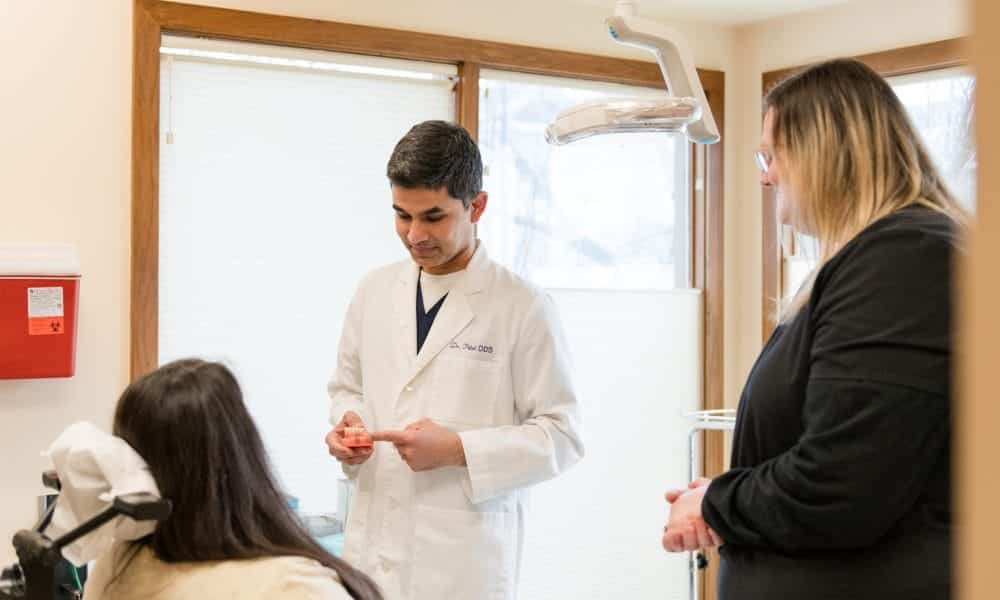
Planning for dental implants starts with a thorough exam, a review of medical history, and a conversation about your goals and tooth replacement options. Dr. Chintan Patel, who has led the practice since 2022, evaluates the health of your jawbone and surrounding tissues to build a clear treatment plan. When appropriate, local anesthesia is used for comfort, and some patients may be candidates for additional sedation options based on treatment complexity and patient comfort.
If implants move forward, implant placement is performed in stages. After the titanium post is placed, the implant fuses with bone during healing, and later steps support the final crown placement. Throughout the process, patients receive detailed post-operative instructions and support through recovery, including follow-up care.
Choosing implants vs. traditional dentures when bone support matters
Traditional dentures can restore the look of teeth, but they do not replace tooth roots and often provide less stimulation to the jawbone. Over time, that lack of stimulation can allow bone resorption to continue, which can affect denture fit and comfort. Dental implants, by contrast, are anchored in bone and function more like natural tooth roots, which can help support bone density.
The right choice depends on your health, anatomy, and goals. For many patients, bone health Before Tooth Replacement is the deciding factor that shapes which option is best and what preparation is needed for stability.
Ready to talk about jawbone health and dental implants?
If you have missing teeth, concerns about bone loss, or have been told you may need bone grafting before dental implants, our team is here to help with clear explanations and compassionate surgical care. Implant & Oral Surgery of Columbus serves patients throughout Central Ohio, including Gahanna, Columbus, Worthington, and surrounding communities.
Request an appointment with Implant & Oral Surgery of Columbus to discuss your jawbone health, review your tooth replacement options, and understand the next steps toward stable, long-term function.