





Summer break often brings a return to home-cooked meals, familiar routines, and a chance to catch up on sleep. But for some families, it also brings an unexpected challenge: wisdom tooth pain. If you or your college student is experiencing discomfort in the back of the mouth, it can be difficult to determine whether it’s a temporary issue or a sign that professional care is needed.
At Implant & Oral Surgery of Columbus, we help patients across Central Ohio understand the causes of wisdom tooth pain, recognize warning signs, and explore treatment options. For many teens and young adults, summer is an ideal time to schedule an evaluation, plan ahead, and ensure a smoother recovery if wisdom teeth removal is necessary.
Why Wisdom Teeth Cause Problems in Late Teens and Early 20s
Wisdom teeth, or third molars, typically develop in the late teens or early 20s. Located at the very back of the mouth, these teeth can sometimes erupt without issue if there’s enough space. However, many people don’t have sufficient room, leading to irritation and inflammation.
When a wisdom tooth partially erupts, it can create an opening in the gum tissue that traps food particles and debris. This can irritate the gums, make brushing uncomfortable, and increase the risk of tooth decay. Over time, the area becomes harder to clean, potentially leading to decay in the wisdom tooth or nearby teeth. Additionally, the pressure from an impacted tooth can cause pain, bite changes, or jaw discomfort.
Why Wisdom Tooth Pain Often Flares Up During Summer Break
Students often notice wisdom tooth pain during summer break because they finally have time to focus on symptoms they may have ignored during the busy school year. Common causes of wisdom tooth pain include:
- Impacted wisdom teeth trapped under the gum or bone
- Gum flaps over partially erupted teeth that trap food debris
- Inflammation around the gum line, leading to bad breath or a bad taste
- Tooth decay in hard-to-reach areas at the back of the mouth
- Pressure on nearby teeth, causing sharp pain when biting
The severity of pain can vary depending on the position of the tooth and the level of irritation. A professional evaluation is essential to identify the root cause and determine the best course of action.
Is Wisdom Tooth Pain an Emergency?
Wisdom tooth pain can become urgent if it escalates quickly, disrupts sleep, or is accompanied by signs of infection. Severe infections can spread beyond the affected area, so it’s important to seek care promptly if symptoms worsen.
Contact Implant & Oral Surgery of Columbus immediately if you notice increasing swelling, persistent bad taste, severe pain, or signs of infection that don’t improve. If you’re unsure whether to see an emergency dentist or an oral surgeon, start by calling our oral surgery office for guidance. A timely evaluation can help prevent complications and provide a clear treatment plan.
Temporary Relief at Home While Waiting for an Appointment
While professional care is essential for persistent symptoms, some home remedies can provide temporary relief for mild discomfort:
- Warm salt water rinses: Gently swish warm salt water to flush the area and remove food particles, especially after meals.
- Cold compresses: Apply a cold compress or ice pack to the outside of your face to reduce swelling.
- Gentle hygiene: Carefully brush and rinse to minimize trapped debris near the back of your mouth.
Some people use clove oil for its numbing and antimicrobial properties. If you try it, follow label instructions and use it sparingly. While these remedies can help manage discomfort, they should not replace professional care if symptoms persist.
Why Summer Is a Smart Time for an Oral Surgery Consultation
Summer offers a convenient window for wisdom tooth evaluations and potential removal. Without the demands of classes, labs, or moving back to campus, families can plan ahead and ensure a smoother recovery.
Practical benefits of scheduling a summer consultation include:
- Easier coordination around internships, travel, or other commitments
- Time to complete imaging and discuss treatment options
- A calmer environment for surgery planning and post-op recovery
- Reduced risk of last-minute decisions if pain returns before the next semester
Younger patients also tend to heal more quickly, and addressing wisdom teeth earlier can prevent more complex issues later, such as infections or damage to nearby teeth.
What to Expect During a Wisdom Tooth Evaluation
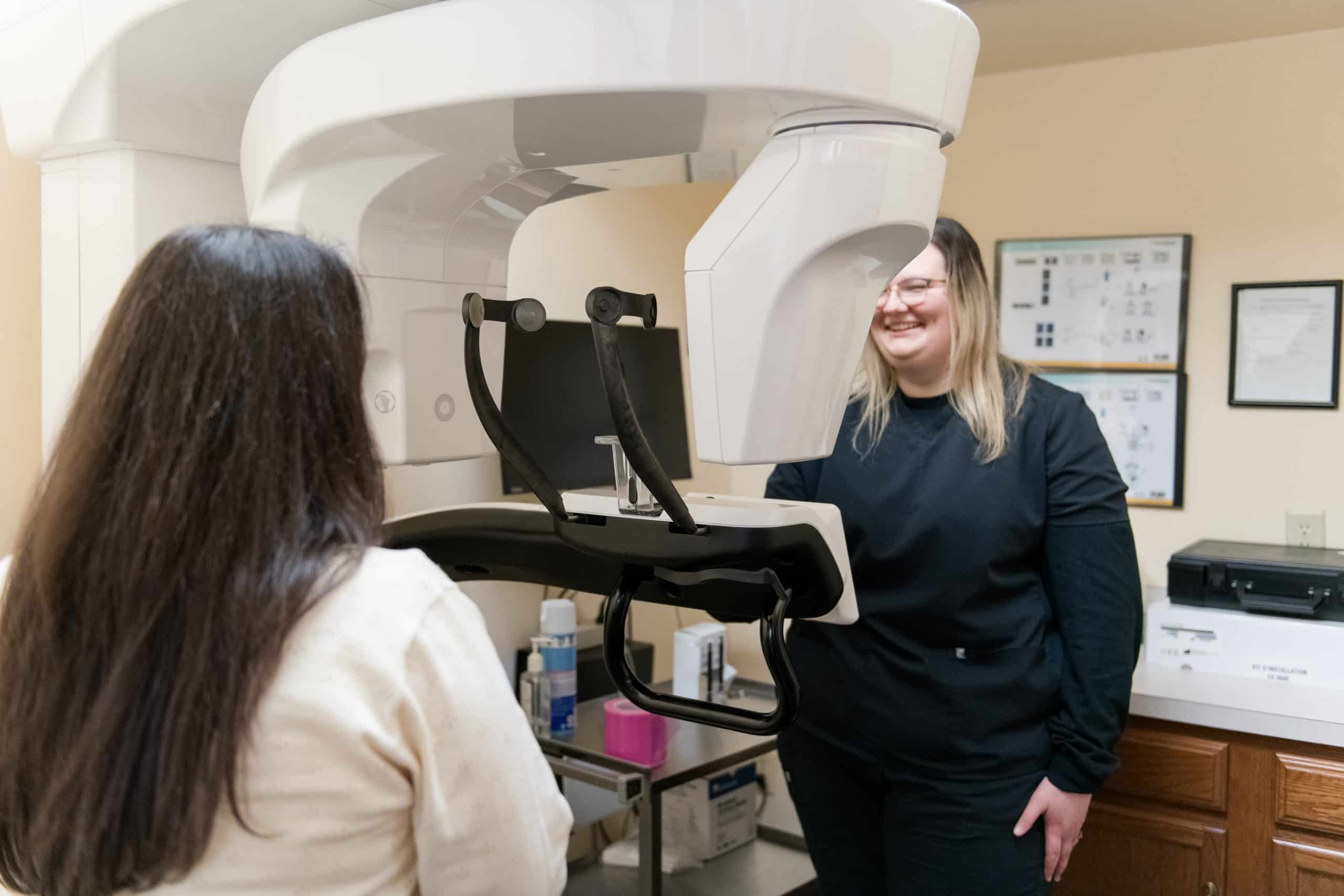
At Implant & Oral Surgery of Columbus, we aim to make wisdom tooth evaluations clear and stress-free. During your visit, we’ll review your medical history and take imaging to assess the position of your third molars in relation to surrounding bone, gum tissue, and adjacent teeth. This helps determine whether the teeth are fully erupted, partially erupted, or impacted.
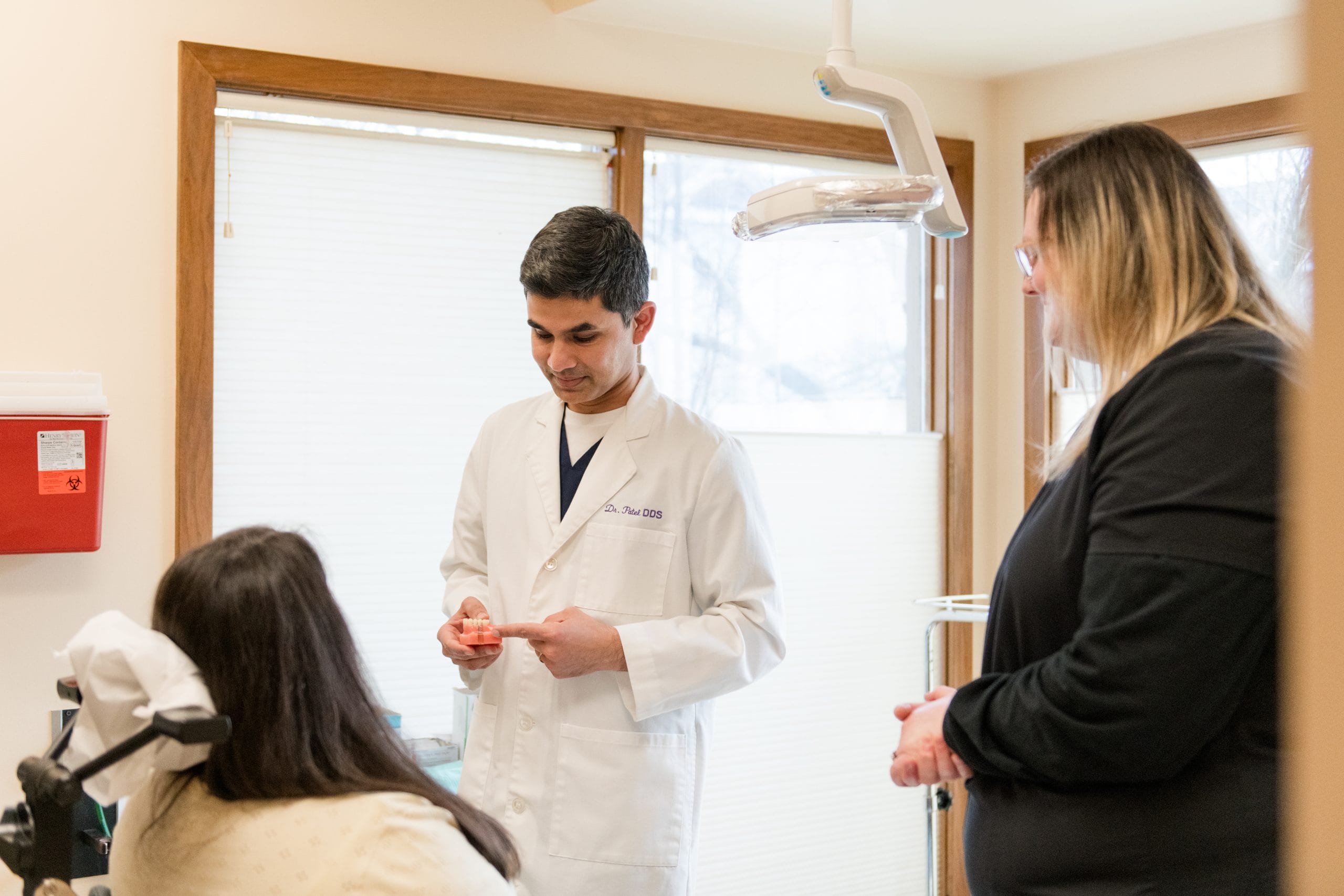
Dr. Patel will explain the findings in plain language and discuss whether observation or removal is the best course of action. You’ll also have the opportunity to ask questions about recovery, scheduling, and how to plan around other commitments.
When Wisdom Tooth Extraction Is Recommended
If wisdom tooth removal is necessary, the goal is a safe, comfortable process tailored to your needs. The approach depends on the tooth’s position, its impact on nearby structures, and whether there’s an active infection.
Anesthesia options are discussed in advance to ensure your comfort. These may include local anesthesia, sedation, or general anesthesia, depending on the complexity of the procedure and your preferences. Most extractions take 30 to 60 minutes, and you’ll be monitored in our care before heading home with a responsible adult.
Recovery Basics: Supporting Healing and Reducing Complications
A smooth recovery starts with protecting the blood clot that forms in the extraction site, which is essential for healing and preventing dry socket. You’ll receive detailed post-operative instructions to guide you through the process.
Common recovery tips include:
- Using ice packs to manage swelling in the first 24-48 hours
- Following dietary recommendations to avoid irritating the area
- Maintaining gentle oral hygiene to keep the site clean
Some soreness and jaw stiffness are normal, especially if lower teeth were removed or the extraction was complex. If you experience severe pain, increasing swelling, or other concerning symptoms, contact your us promptly.
Planning for Long-Term Oral Health
Addressing wisdom teeth issues early can prevent complications that affect neighboring teeth and gum tissue. Repeated inflammation or trapped debris can lead to decay or damage to adjacent teeth, which are critical for long-term oral health.
For college students, timely wisdom tooth care can also support future dental plans, such as orthodontic retention or restorative treatments. By preserving healthy teeth and gums, you can maintain a strong foundation for your overall dental health.
Take the Next Step with Expert Care in Central Ohio
If you’re home for the summer and experiencing wisdom tooth pain, an oral surgery consultation can provide clarity and a plan for relief. At Implant & Oral Surgery of Columbus, we serve patients across metro Columbus, including Gahanna, Worthington, and surrounding communities, with specialized care and support through recovery.
Contact us today to discuss your symptoms, understand the cause of your pain, and explore treatment options for wisdom teeth removal.