




Hearing that a tooth can’t be restored can feel overwhelming, especially if you are already dealing with dental pain or a sudden problem like dental trauma. In many cases, removing the affected tooth supports better oral health by stopping the spread of infection and creating a stable foundation for tooth replacement. The key is having a plan that protects your comfort today and your long-term function, stability, and confidence.
At Implant & Oral Surgery of Columbus, patients across Central Ohio come in with referrals from general dentists, questions about replacement options, and understandable dental anxiety. Our team focuses on clear explanations, honest communication, and compassionate surgical care so you know what is happening at every step. Whether you need a simple extraction, a more involved surgical procedure, or future dental implant planning with bone grafting, thoughtful treatment planning helps the next step feel manageable.
Why a tooth extraction may be the healthiest option
A tooth is typically removed when it reaches the point of repair where a filling, crown, or other dental restorations are no longer predictable. Common reasons include severe tooth decay, deep cracks, advanced gum disease, or repeated infection around the tooth root. Sometimes the tooth is loose because the supporting bone has been lost, which affects stability and can place nearby teeth at risk.
From a health perspective, tooth removal can reduce ongoing inflammation and limit harmful bacteria that contribute to infection. Patients often notice severe pain, pressure, or sensitivity that keeps returning despite dental treatments. If imaging shows the tooth cannot be saved, planning a dental extraction with an oral surgeon can lower the risk of complications and support better healing outcomes.
Who should perform tooth removal, and why an oral surgeon matters
General dentists provide many types of dental care, including some extractions, and referrals are common when the situation is more complex. Oral and maxillofacial surgeons receive advanced surgical and anesthesia training to treat conditions involving teeth, jaw bone, and surrounding structures. That surgical focus supports safety, precision, and predictable outcomes, especially for complicated cases.
An oral surgeon may be recommended for an impacted tooth, challenging root anatomy, infection concerns, or situations where bone grafting or socket preservation should be coordinated at the same visit. Because every mouth is different, your medical history and current oral health guide decisions about technique, dental instruments, and anesthesia options. The goal stays consistent: expert care that supports comfort now and stability later.
What happens during the tooth extraction process?
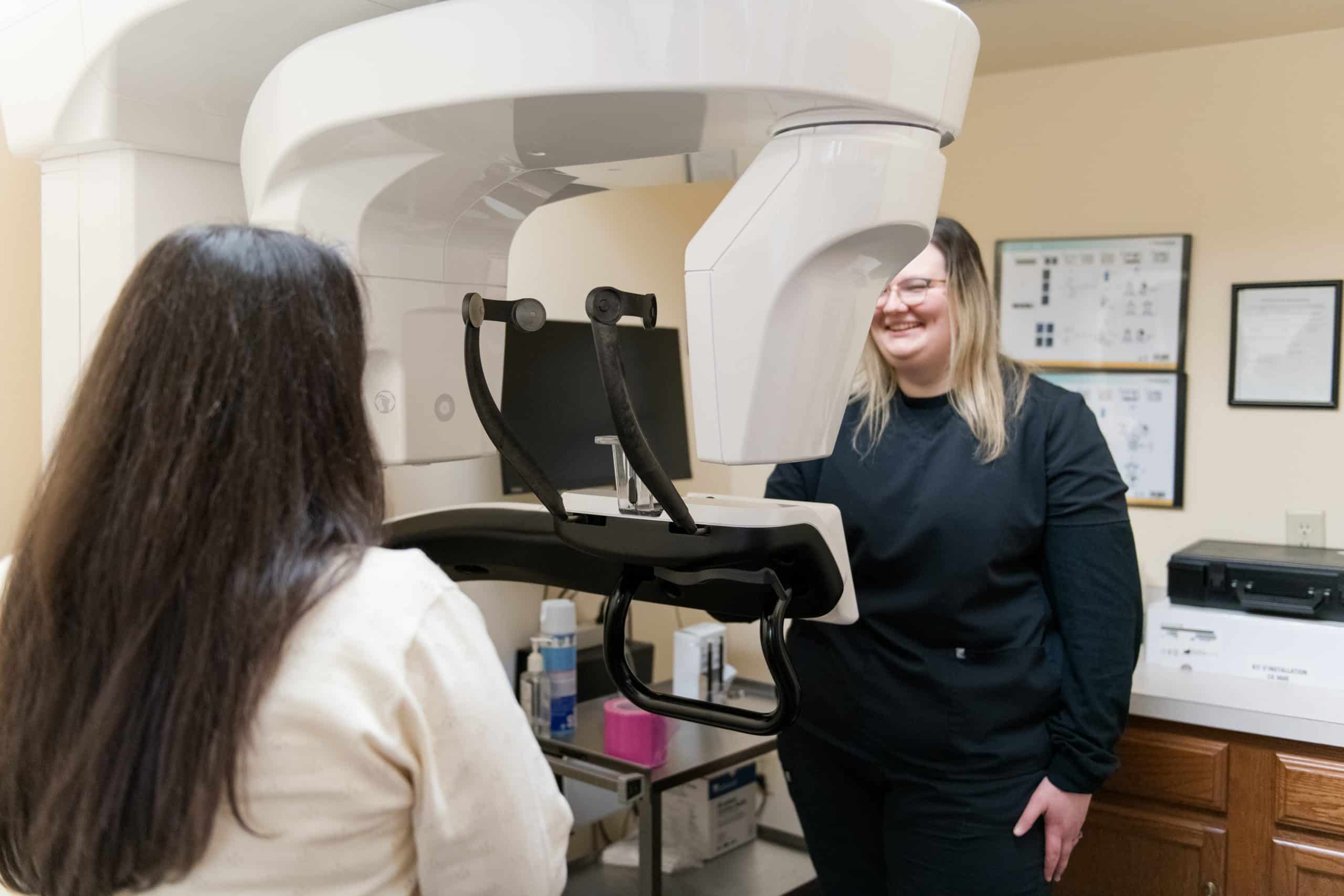
Patients often picture tooth removal as one event, but good planning usually begins before the surgical site is treated. At Implant & Oral Surgery of Columbus, the first step is a careful evaluation that includes reviewing your medical history and discussing your goals, including whether you want to explore a dental implant. Your surgeon uses that information to create a personalized plan that fits the condition of the tooth socket, gum tissue, and jaw bone.
During the appointment, the team will numb the area with local anesthesia. For some patients, sedation options may be appropriate depending on dental anxiety, treatment complexity, and comfort needs. The type of anesthesia can range from local anesthesia alone to general anesthesia when indicated, and your surgeon will explain the types of anesthesia that fit your situation.
Once you are comfortable, the dental procedure is completed by removing the affected tooth and carefully managing the extraction site. If grafting or socket preservation is planned, material may be placed to help maintain the shape of the bone and support future implant planning. Before you leave, you will receive tooth extraction aftercare instructions designed to protect healing and reduce side effects.
Will I have severe pain after tooth extraction?
Most patients can expect soreness and swelling for a short period, and pain levels vary based on the tooth, the surgical procedure, and your overall health. Your surgeon will review pain medication guidance, including when over-the-counter pain relievers may be appropriate and when a prescription is recommended. Swelling control often includes simple steps like using an ice pack and keeping your head elevated.
Comfort also depends on protecting the blood clot that forms in the empty tooth socket. That clot supports blood flow control and signals the body to begin rebuilding with new tissue as the tooth socket fills. Following instructions closely supports a smoother healing process and helps you get back to routine activities safely.
Protecting the blood clot: how to reduce dry socket risk
After a dental extraction, the body works quickly to form a blood clot at the gum line, and that clot acts like a natural bandage. If the clot dislodges too early, dry socket can develop and cause significant discomfort. Avoiding certain habits and activities during early healing helps lower that risk.
Your post-op guidance may include reminders such as:
- Eat soft foods for the first several days to protect the extraction site.
- Avoid strenuous activity early on, since pressure changes can disrupt the blood clot.
- Follow instructions about rinsing and oral hygiene to keep the area clean without disturbing the surgical site.
- Watch for signs of infection such as increasing swelling, fever, or worsening taste or odor.
If you look in the mirror and notice an empty socket or a small indentation where the tooth was, that can be normal early in healing. The area often looks like an empty tooth socket at first, and it gradually changes as the tooth socket fills and gum tissue matures. If pain increases instead of improving, contacting your surgical team for guidance is the right next step.
Planning replacement options right away supports long-term oral health
If you know you want to replace the missing tooth, planning should start before the tooth is removed whenever possible. This approach supports better decisions about bone preservation and helps prevent avoidable jaw bone changes. Tooth loss can lead to bone resorption over time, and the best way to maintain stability is to plan around future function.
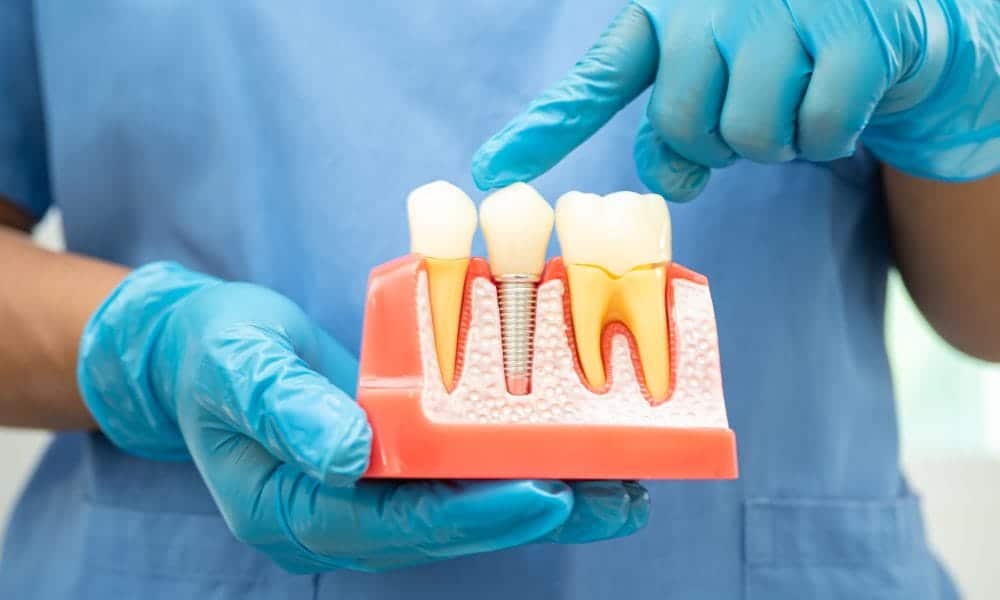
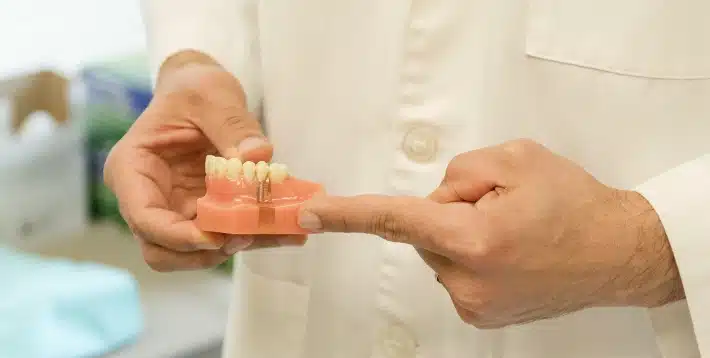
Common replacement options include dental bridges and dental implants. A traditional dental bridge can restore chewing, but it may require preparing adjacent teeth. A dental implant replaces the artificial tooth root beneath the gums and supports bone density, which many patients value for long-term oral health and stability. Your surgeon can coordinate with your restoring dentist so the surgical phase and final crown work together as one plan.
Bone grafting and socket preservation after a tooth extraction
Bone grafting can be an important part of oral surgery in Columbus, Ohio because it helps rebuild or preserve bone where a tooth has been removed. Sometimes grafting is recommended because the existing bone volume is not strong enough for a future dental implant. In other cases, grafting occurs at the time of extraction to help maintain ridge shape through socket preservation.
At Implant & Oral Surgery of Columbus, bone grafting is planned based on your jaw structure, healing potential, and long-term goals. The graft material acts as a scaffold, and over time the body forms new tissue and reinforces the area. This careful sequencing supports predictable outcomes for later implant placement and protects the stability of neighboring teeth and gum tissue.
Dental implant planning with maxillofacial surgeons in Central Ohio
Dental implants are placed in stages and rely on the bone healing process to create long-term strength. The implant post is placed into the upper jaw or lower jaw, and then the area heals as the implant fuses with the surrounding bone. Once healing is complete, the next phase connects the implant to the final dental restoration created by your dentist.
This planning is part of full-scope care provided by maxillofacial surgeons who regularly manage complex anatomy and surgical considerations. For patients throughout metro Columbus, including Gahanna, Columbus, Worthington, and surrounding communities, implant planning often begins with understanding the condition of the extraction site and whether bone grafting is needed. That clarity helps patients move forward with confidence and a timeline that suits their needs.
A clear next step after dental extraction in Columbus
When a tooth cannot be saved, you still have options that support function, stability, and long-term oral health. A well-planned tooth extraction can address the immediate problem while also protecting the foundation for a dental implant or other restorations. With compassionate surgical care, clear explanations, and individualized planning, the process can feel far more straightforward than patients expect.
If you have been referred by general dentists for tooth removal, or you have questions about bone grafting and dental implant planning, request an appointment with Implant & Oral Surgery of Columbus. Our Gahanna office serves patients throughout Central Ohio with expert care and support through recovery.