




If your dentist recently mentioned that you need a bone graft before getting a dental implant, you may have left the appointment with more questions than answers. What exactly is bone grafting, and why is it necessary? Understanding this surgical procedure can help you feel more prepared and confident as you move forward with your oral health care.
Many patients throughout Central Ohio hear about bone grafting for the first time during an implant consultation. The recommendation often comes after tooth loss, gum disease, or a tooth extraction that occurred months or years earlier. While the term may sound complex, the reasoning behind it is straightforward: dental implants need a strong foundation of healthy bone to succeed long-term.
At Implant & Oral Surgery of Columbus, Dr. Patel helps patients understand how bone grafting supports dental implant placement and restores the structure needed for predictable outcomes. This procedure plays an important role in maintaining oral health, preserving facial contours, and creating stability for restorative treatments.
Why Does Bone Loss Happen After Losing a Tooth?
When a tooth is lost due to injury, periodontal disease, or extraction, the bone that once supported that tooth begins to change. Without the stimulation that comes from chewing and biting, the surrounding bone tissue starts to break down. This process is called bone resorption, and it happens gradually over time.
Jawbone deterioration can affect more than just the site of a missing tooth. As bone loss progresses, nearby teeth may shift, gum tissue may recede, and the overall volume of your jawbone may decrease. In some cases, the back of the jaw loses enough bone that placing a metal post for an implant becomes difficult without additional preparation.
Bone grafting helps reverse this process by encouraging new bone growth and restoring the density needed for long-term stability. Addressing jawbone loss early often leads to more treatment options and better outcomes down the road.
What Is a Bone Graft and How Does It Work?
A bone graft is a surgical procedure that places graft material into areas where bone has been lost or weakened. The material acts as a framework that supports your body’s natural healing process. Over time, the graft fuses with the surrounding bone, creating new bone tissue that restores strength and structure at the graft site.
This process relies on tissue regeneration. Blood supply, growth factors, and bone marrow cells work together to support new bone formation. The graft material serves as a scaffold that guides your own body to rebuild what was lost.
Several types of bone grafts may be used depending on the size of the bone graft needed, the location within the jaw, and individual healing factors. Your oral surgeon will review these options during treatment planning to determine which type of graft best supports your needs.
What Types of Bone Graft Materials Are Available?
Different graft materials offer different benefits. Some are taken from your own body, while others come from donor sources or synthetic substitutes. Each type is selected based on safety, effectiveness, and how well the body can integrate the material.
An autogenous bone graft uses bone taken from your own bone tissue, often from the jaw, hip bone, or another donor site within your own body. This type of graft is highly compatible because it comes from you, reducing the risk of rejection.
Allograft bone comes from human donors and is processed through a tissue bank. This option eliminates the need for a second surgical site and is widely used in dental bone graft procedures.
Synthetic material, also called alloplastic grafts, includes substances like calcium phosphate or other naturally occurring minerals. These bone substitute materials are designed to support bone growth without requiring donor tissue.
Each bone graft material is chosen with patient health and long-term success in mind. Graft rejection is rare, and materials are selected based on the volume of your jawbone, the extent of bone loss, and the goals of your restorative procedures.
When Is Bone Grafting Recommended Before an Implant?
Bone grafting is often recommended when there is not enough bone to support a dental implant. This can happen for several reasons. Tooth loss over time leads to bone resorption. Gum disease and periodontal disease can damage the bone that supports teeth. Trauma or infection may also result in bone damage that requires repair work.
A dental bone graft creates the strong foundation needed for implant placement. Without adequate bone density, an implant may not integrate properly, leading to complications or failure. By restoring bone structure, grafting improves success rates and supports the long-term function of the implant.
In some cases, minor bone grafting can be performed at the same time as tooth extraction to preserve the bone and prevent further loss. This approach, called socket preservation, helps maintain the original form of the jawbone and reduces the need for more extensive grafting later.
How Does Bone Grafting Support Dental Implant Success?
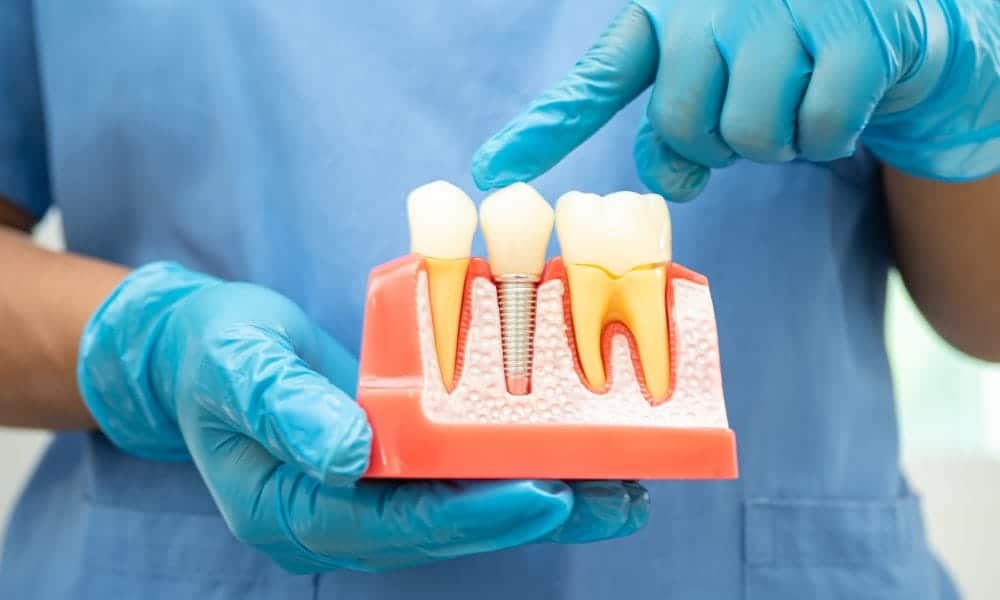
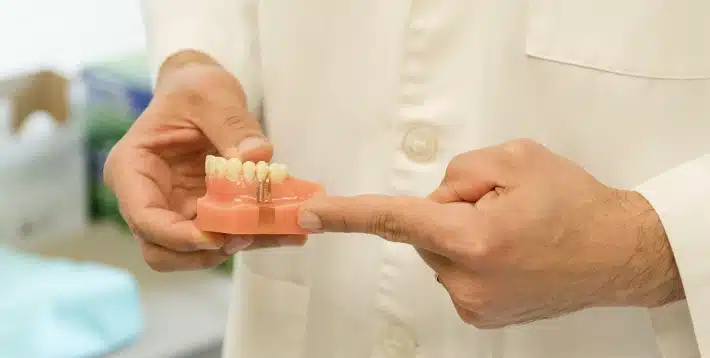
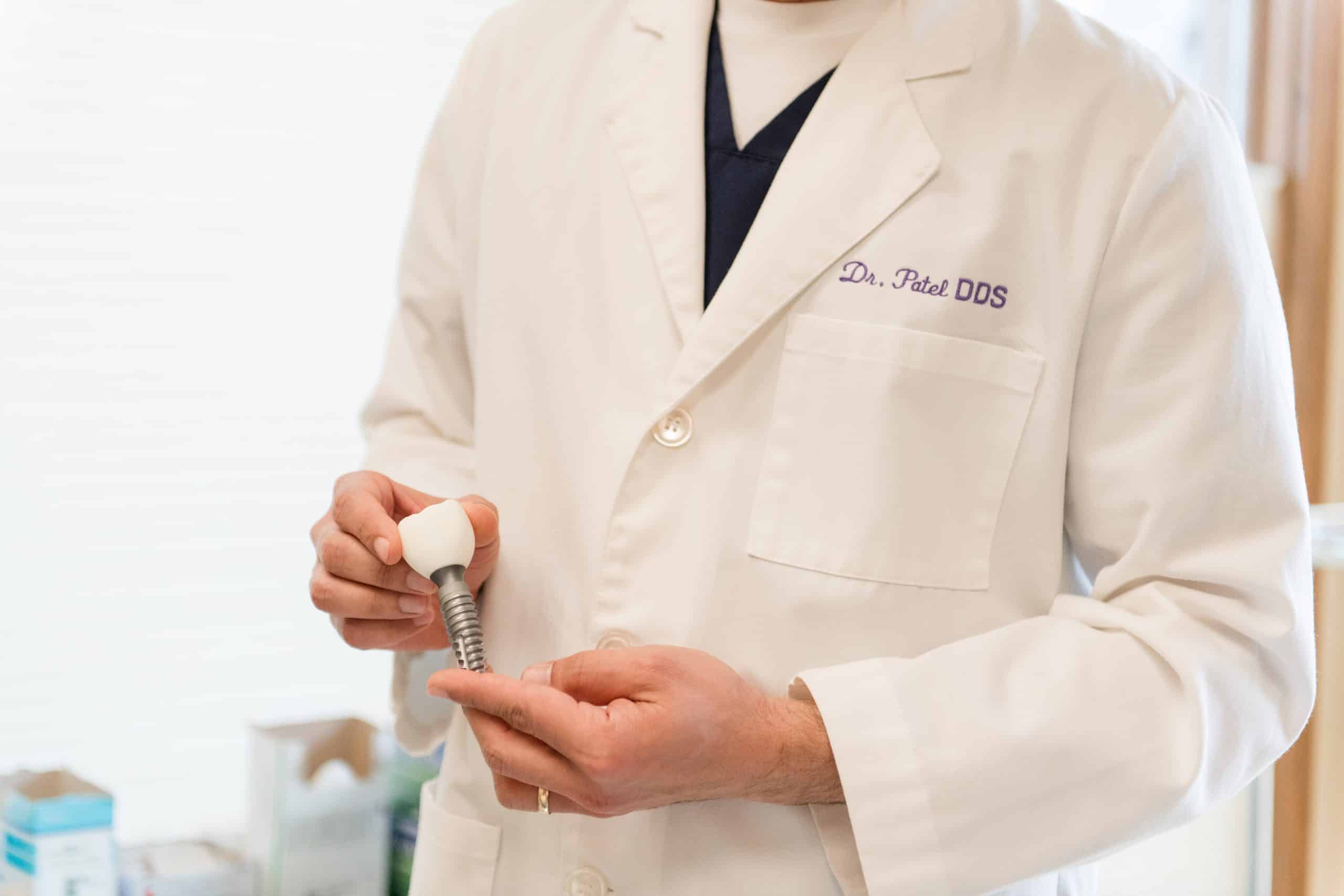
Dental implants rely on healthy dental bone to remain stable. The implant itself is a metal post that is placed into the jawbone and serves as an artificial tooth root. Over time, the implant fuses with the bone in a process that creates a permanent, secure base for the replacement tooth.
When bone density or volume is insufficient, a bone graft may be necessary before implant surgery. The graft restores the structure needed to support the implant and protects surrounding teeth and gum tissue. This approach also helps preserve facial contours and prevents further jawbone loss.
By addressing bone loss early, bone grafting allows for more predictable outcomes and broader treatment options. It supports both function and appearance while reducing the risk of complications during the healing process.
What Should You Expect During the Bone Grafting Procedure?
Bone graft procedures vary depending on the extent of bone loss, the type of graft material used, and the location within the jaw. Some grafts are relatively minor procedures performed in the office under local anesthesia. More extensive grafts may require sedation or general anesthesia in a hospital setting.
During the surgical procedure, the graft material is placed at the surgical site and secured to encourage bone fusion. Protective membranes may be used to support guided tissue regeneration and protect the graft during healing. The procedure is planned carefully to support long-term oral health and function.
Dr. Patel explains each step clearly so patients understand what to expect before, during, and after surgery. Detailed post-operative instructions are provided to support recovery and protect the graft site.
What Does Recovery Look Like After a Bone Graft?
The healing process following bone grafting occurs gradually. As the graft material integrates, your body forms new bone tissue, creating a stable and healthy bone structure. This process may take several months, depending on the size of the bone graft and individual healing factors.
During recovery, patients may experience normal side effects such as swelling, mild discomfort, or bruising. Ice packs and pain relievers can help manage these symptoms. Severe pain is uncommon, but any concerns should be reported to your healthcare provider.
Following post-operative instructions carefully supports healing and reduces the risk of complications. Eating soft foods, avoiding tobacco, and maintaining good oral hygiene all contribute to successful bone regeneration. Follow-up visits allow your oral surgeon to monitor new bone growth and determine when the area is ready for implant placement.
How Does Bone Grafting Affect Your Overall Quality of Life?
Restoring bone structure through grafting supports more than just implant placement. It helps maintain facial symmetry, prevents loose teeth, and protects the health of surrounding gum tissue. Bone grafting also opens the door to restorative treatments that may not have been possible without adequate bone support.
For patients who have experienced tooth loss or jawbone loss, bone grafting offers a path toward stability, function, and confidence. While the process requires patience, the long-term benefits include improved chewing ability, better oral health, and a more secure foundation for replacement teeth.
Is Bone Grafting Right for You?
If your dentist has recommended bone grafting before a dental implant, it’s because the procedure supports your long-term oral health and improves the likelihood of a successful outcome. A consultation with an oral surgeon is the next step in understanding your options and developing a treatment plan that fits your needs.
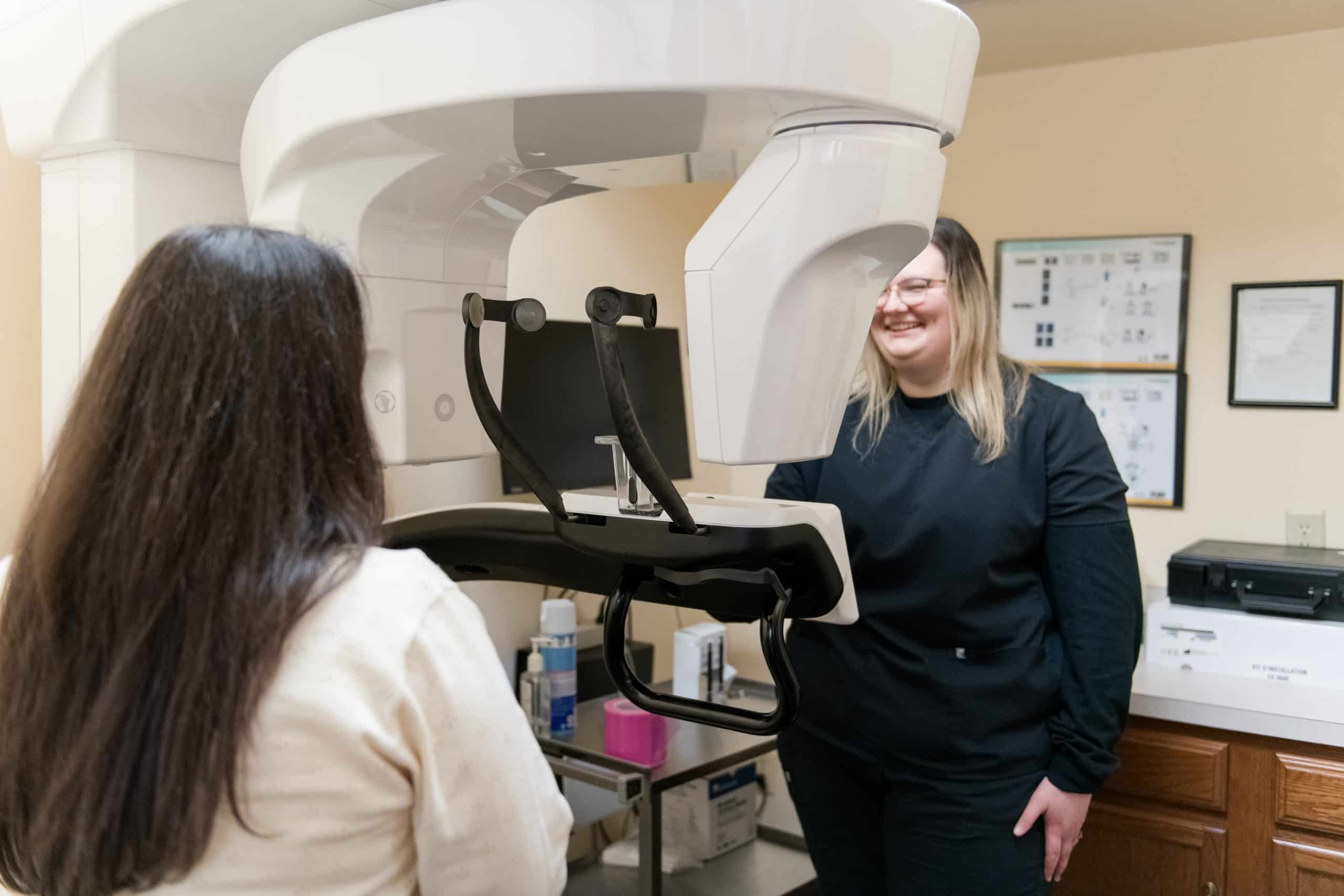
During your visit, imaging and a thorough evaluation help determine whether bone grafting is appropriate and which type of graft may best support your goals. Dr. Patel and the team at Implant & Oral Surgery of Columbus provide clear explanations and honest communication throughout the process, helping patients feel informed and confident.
If you have been referred for oral surgery or have questions about bone grafting and dental implants, our team is here to help. Schedule a consultation to learn more about your treatment options and take the next step with clear, compassionate care.