


|
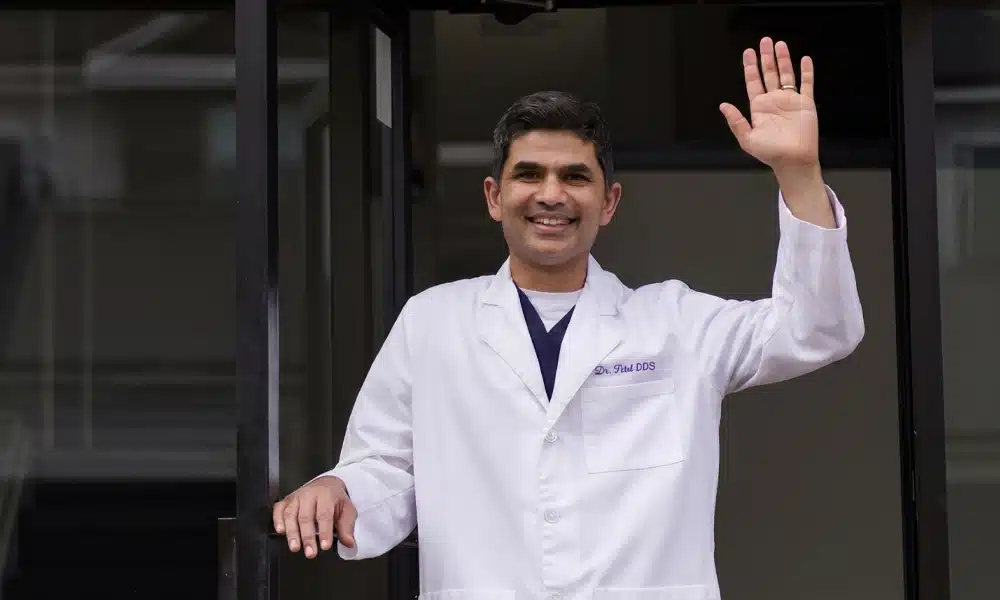
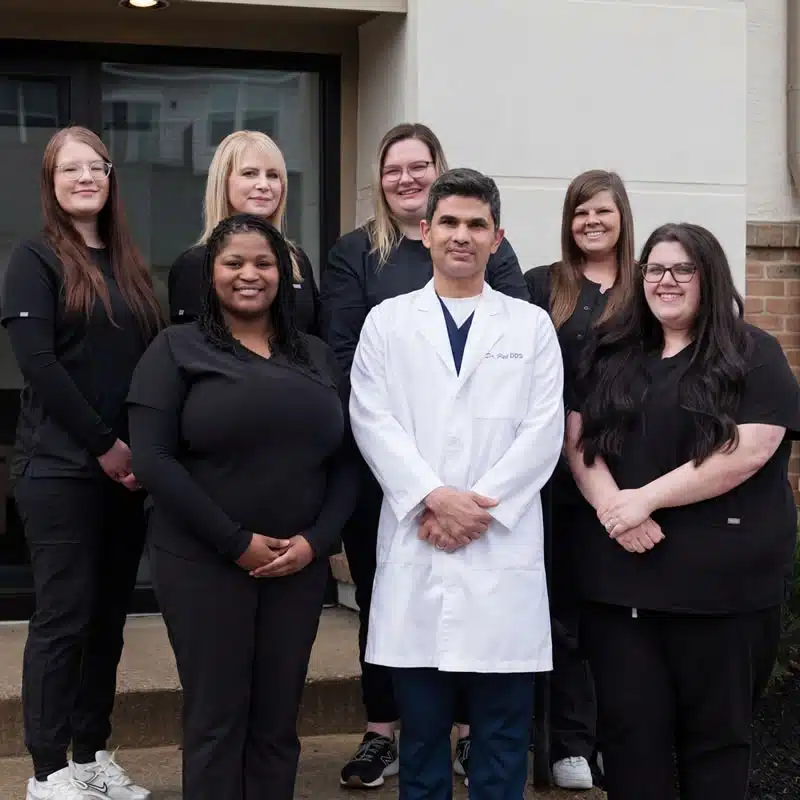
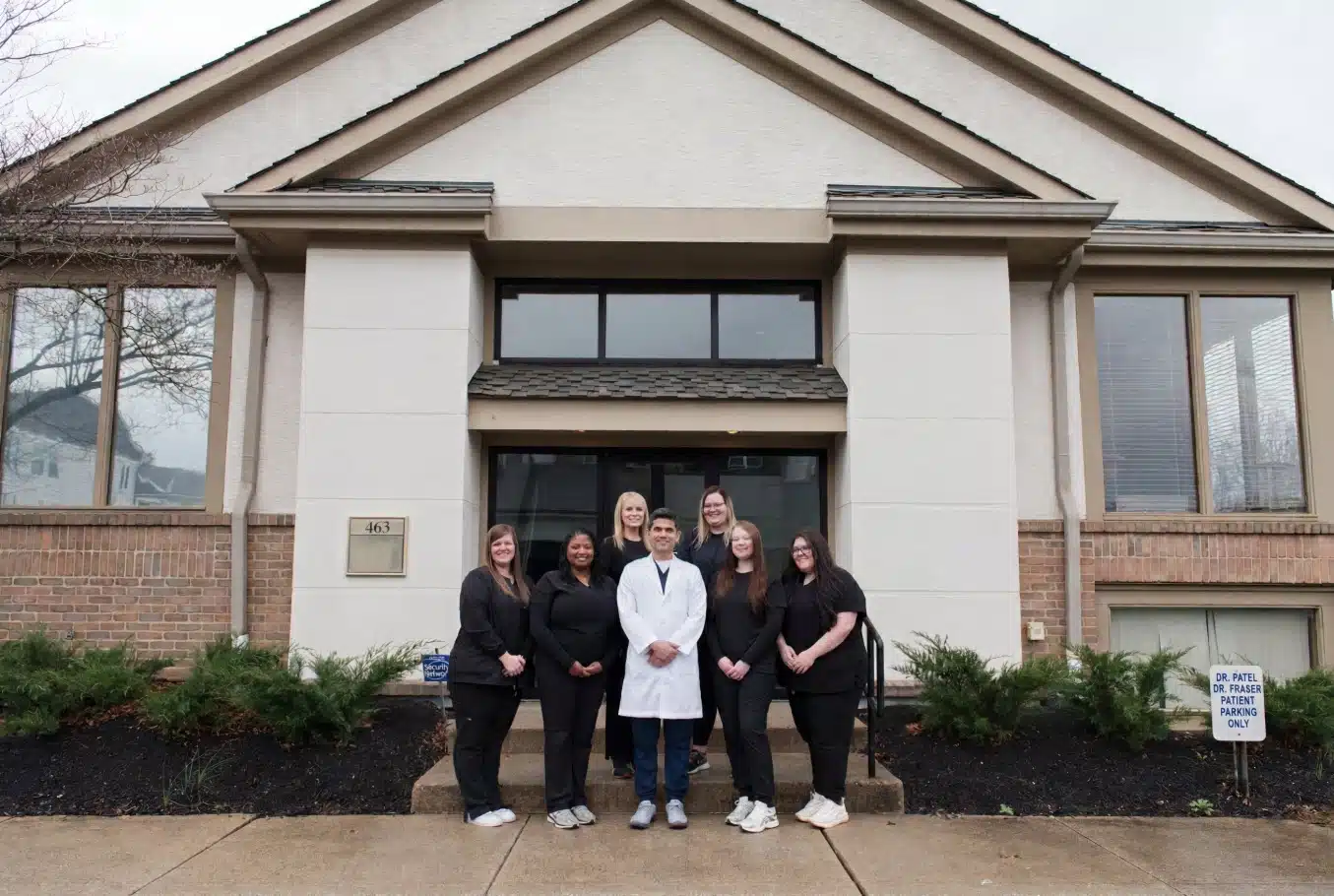
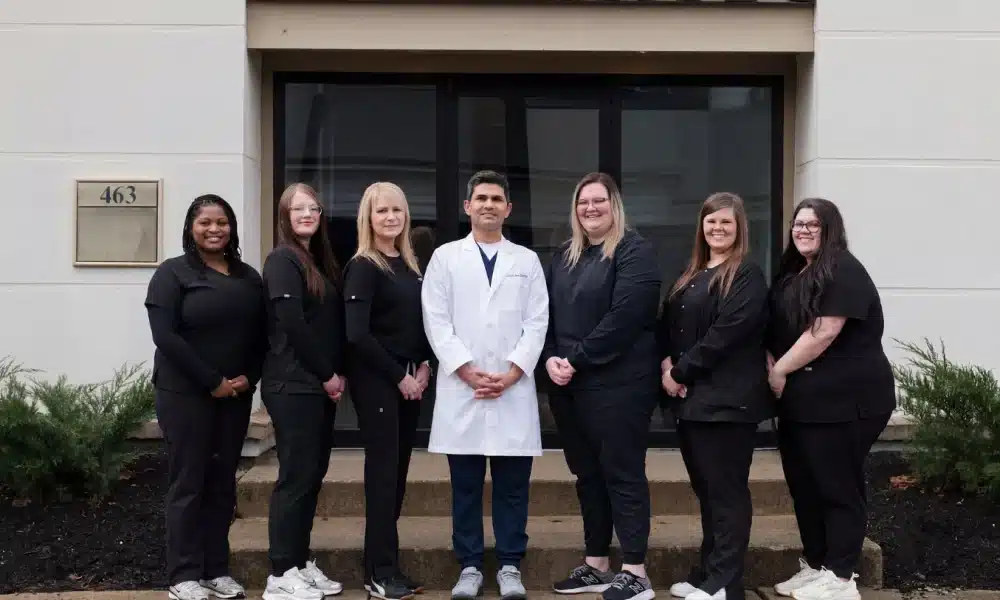
Dr. Patel Welcomes You to Implant & Oral Surgery of Columbus, Formerly Northeast Oral & Maxillofacial Surgery.
|
We look forward to helping you with your care. Please complete the form and a member of our team will contact you shortly to confirm your appointment details. If you are experiencing a dental emergency, please call our office directly for immediate assistance.
We look forward to helping you with your care. Please complete the form and a member of our team will contact you shortly to confirm your appointment details. If you are experiencing a dental emergency, please call our office directly for immediate assistance.
We look forward to helping you with your care. Please complete the form and a member of our team will contact you shortly to confirm your appointment details. If you are experiencing a dental emergency, please call our office directly for immediate assistance.
We look forward to helping you with your care. Please complete the form and a member of our team will contact you shortly to confirm your appointment details. If you are experiencing a dental emergency, please call our office directly for immediate assistance.
We look forward to helping you with your care. Please complete the form and a member of our team will contact you shortly to confirm your appointment details. If you are experiencing a dental emergency, please call our office directly for immediate assistance.
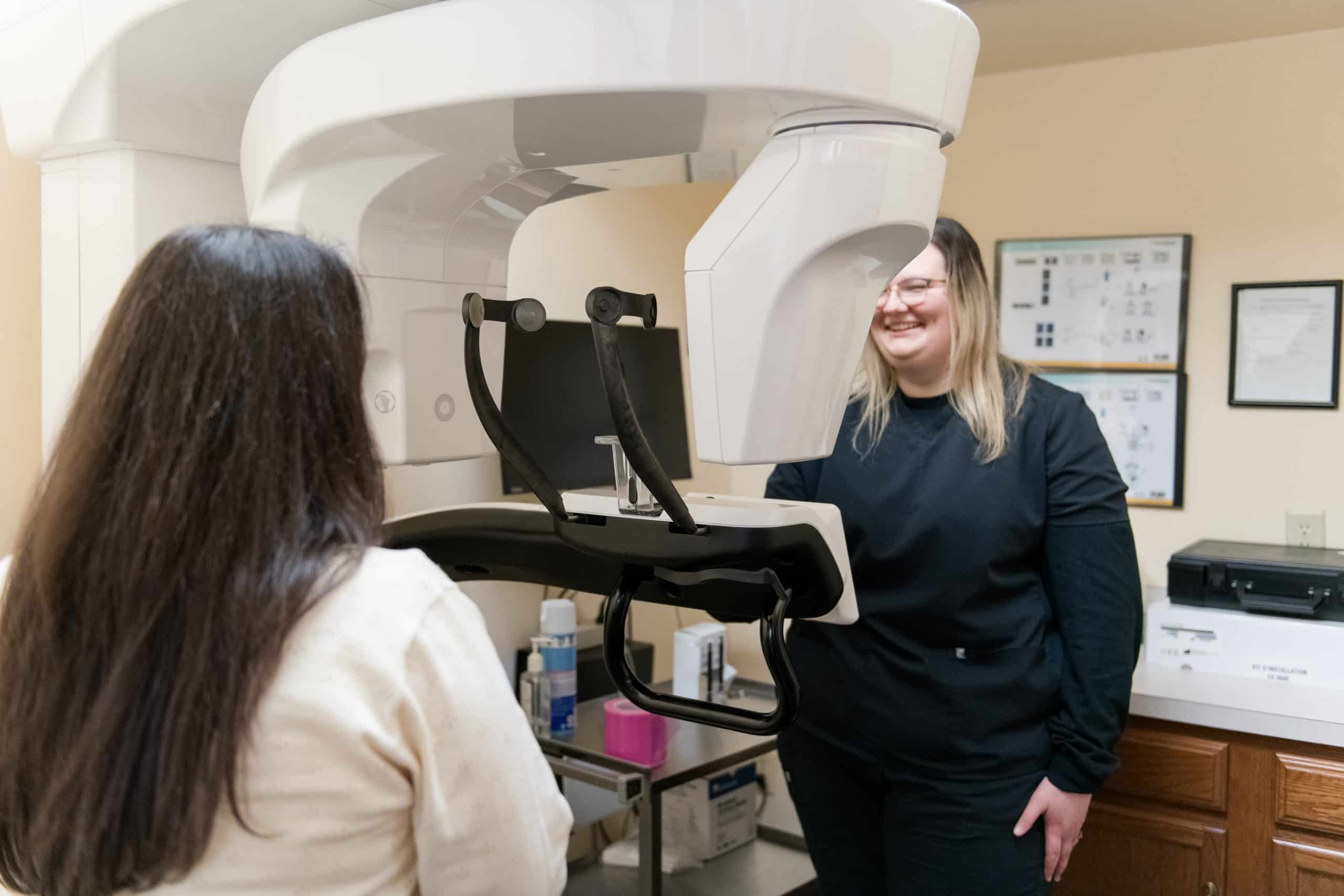
Clear guidance helps patients feel prepared, confident, and supported before and after an oral surgery procedure. At Implant & Oral Surgery of Columbus, Dr. Patel and our care team review specific instructions with every patient, based on your medical history, type of surgery, and anesthesia plan. If questions come up at any point, call our surgeon’s office. You will always receive straightforward guidance and a steady, reassuring plan for what comes next.
These Surgical Instructions are designed to make the day of surgery easier to navigate and to support the best possible healing process afterward.
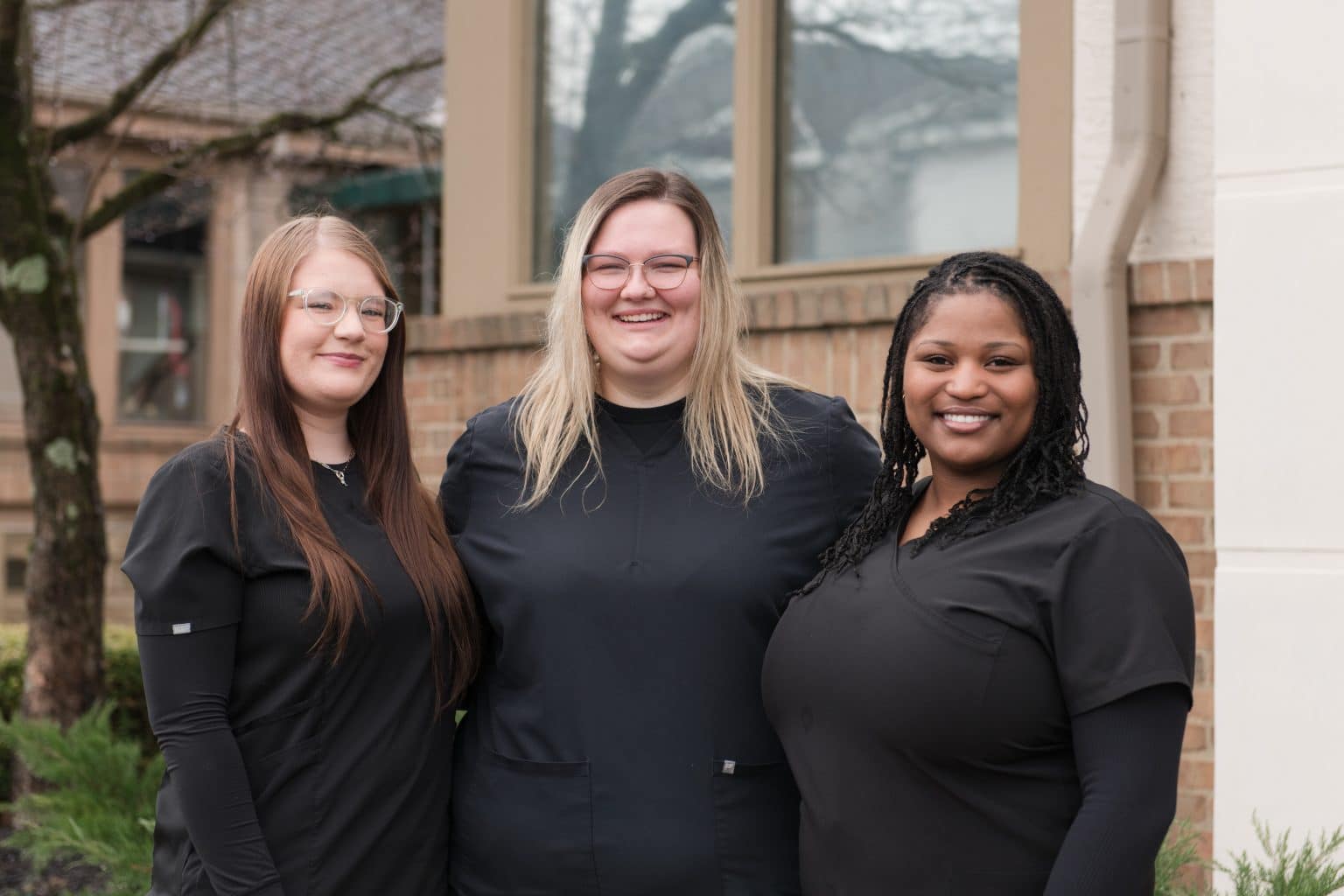

Our team is here to support your healing process with post operative care and follow up appointments included at no extra cost.
A simple plan helps support a smooth recovery and reduces stress in the surgical suite. These instructions apply to patients scheduled for oral surgery with sedation or anesthesia. If your procedure does not require anesthesia, our team will provide specific guidance during your consultation.
Before You Arrive
What to Bring
What to Wear and Leave at Home
Transportation and Recovery Planning
Your safety and comfort are our top priorities. Please read these specific instructions carefully and contact our office if anything is unclear before the morning of surgery.
Do not eat or drink anything after midnight before your appointment, including coffee, water, mints, or beverages of any kind. This includes clear liquids such as Gatorade. On the day of your surgery, having anything in your stomach increases the risk of complications during anesthesia care.
If you were given antibiotics to take before surgery, you may take them with a small sip of water (about 1 fluid ounce). If you take regular medications for blood pressure, heart disease, blood sugar, or other medical conditions, ask Dr. Patel for specific instructions on your medication schedule. If pre-operative diet instructions present a problem, such as for a diabetic patient, please call the office.
Plan to arrive on time based on your arrival time and time of surgery. The day of surgery often involves coordinated steps with our surgical team, including vital signs, pre-op verification, and anesthesia monitoring. Being prompt supports a calm experience in an outpatient surgery setting.
Wear loose-fitting clothes with short sleeves, or a shirt with sleeves that easily pull up. Access to your upper arms is needed for monitoring during general anesthesia or sedation options.
Before your appointment, please remove:
If you use a medical device or have a physical limitation that affects positioning, walking, or balance, tell us in advance. If you typically use crutches, we want to plan ahead for safe movement during discharge.
If you are receiving a general anesthetic, you must arrive with a responsible adult who can drive you home. A family member or escort should be present before surgery begins and remain available during your visit. You cannot take a taxi home without an escort. An adult should stay with you at home for the rest of the day.
A minor patient must come with a parent or actual legal guardian, and that adult needs to remain in our facility during the procedure. If documentation applies, bring what you may need for verification (for example, guardianship paperwork or power of attorney).
Patients may not drive or operate any machinery for the remainder of the day after anesthesia. Plan for rest, hydration, and support at home.
If there is any change in your health in the days before surgery, such as fever, flu, chest cold, persistent cough, or concerns related to pneumonia risk, notify our office immediately. If you have been told to coordinate with a primary care provider for clearance or a physical exam, complete that step as early as possible.
Share a complete list of regular medications, counter medications, supplements, and weight loss medications with our team. Some medications and supplements can affect bleeding, anesthesia, or recovery. Avoid aspirin and aspirin-containing products unless your healthcare provider has given you a specific plan.
Every surgical procedure carries some risk, and risks vary based on the planned procedure and anatomy. Rare complications may include numbness or tingling, sinus involvement, inflammation, damage to nearby teeth or restorations, infection, persistent bleeding, delayed healing, drug reactions and side effects, or the need for a subsequent operation.
Common post-operative findings can include discomfort that may require pain medication, soft tissue swelling, muscle stiffness, and bruising.
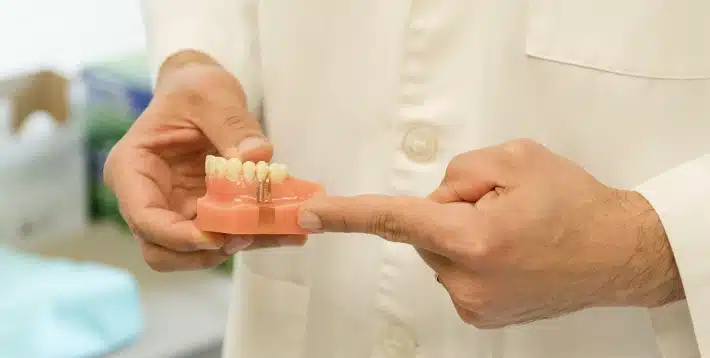
After placement of dental implants, protect the surgical site and allow the gum tissue to heal around the healing abutment. A metal healing abutment may protrude through the gingival (gum) tissue.
Do not disturb the wound. Avoid rinsing, spitting, or touching the area on the day of surgery.
Avoid smoking for at least 24 hours. Smoking increases bleeding, raises infection risk, delays wound healing, and can affect long-term implant success.
Some bleeding is expected after implant placement. If bleeding continues or becomes excessive, remove blood clots with a damp washcloth. Place a tight ball of gauze or a moist tea bag over the area and apply firm pressure by biting for 45 minutes. Repeat as needed until a stable blood clot forms.
Swelling is common after an oral surgery procedure. Swelling often peaks around 48 hours and may last 5 to 7 days. Use an ice pack for 24 to 48 hours, 20 minutes on and 20 minutes off.
Discomfort is expected. For mild discomfort, follow label directions for Tylenol or ibuprofen (Advil or Motrin). For more significant pain, use the prescribed pain medication as directed. It helps to take pain medication before local anesthesia fully wears off.
Bruising can occur and may extend into the neck area. Discoloration can last 7 to 14 days.
A nutritionally balanced diet supports healing. If you had a single implant, choose soft foods that require minimal chewing for about 5 days. If multiple implants were placed for dentures, your diet may begin with full liquids and pureed foods, then advance as directed by Dr. Patel. Drink plenty of fluids and avoid using straws for 24 hours.
You may brush and rinse beginning 24 hours after surgery. Use Periogard as directed, and consider warm salt water rinses after meals for 7 to 10 days to support a clean surgical site.
If you wear dentures, follow the guidance provided for when to resume use. Many patients need a denture adjustment 3 to 5 days after surgery.
A slight temperature elevation for 24 to 48 hours can occur. If fever persists above 101.5°F, call our office.
If you received anesthesia or sedation, do not drive or operate machinery for 24 hours.
Wisdom teeth removal is a common oral surgery procedure for third molars, and careful aftercare supports comfort and lowers the risk of dry socket or infection.
Keep the gauze pad in place for 30 minutes and bite firmly. Once home, remove and discard it. Avoid vigorous rinsing or touching the surgical site, since that can dislodge the blood clot.
Take prescribed pain medication before discomfort increases, usually as numbness fades. Rest on the day of surgery, and resume normal activities when your comfort level allows.
Slight bleeding, oozing, or redness in saliva is common. If bleeding is heavier, gently wipe old clots away, place moist gauze over the area, and bite for 30 minutes. A moistened tea bag can help support clot formation. Sit upright and limit activity. If bleeding does not improve, call our office.
Swelling often appears 12 to 24 hours after surgery and may peak around day 3. Use ice packs as directed while awake. After 36 hours, moist heat can help reduce swelling and jaw stiffness.
For moderate pain, Tylenol or ibuprofen may help. For severe pain, follow the prescription instructions provided. Avoid alcoholic beverages while taking pain medication. Pain should improve each day. If severe pain continues, call our surgeon’s office.
Start with sips of liquids after general anesthesia or IV sedation. Drink from a glass, not a straw. Eat soft foods, chewing away from the extraction site. High calorie and high protein options help support healing, along with plenty of fluids.
Do not rinse on the first day. Beginning the day after surgery, rinse 5 to 6 times daily with warm salt water, especially after meals. If prescribed, use your mouth rinse twice daily for one week starting 24 hours after surgery. Brush gently the day after surgery.
If antibiotics were prescribed, take them as directed. If you develop a rash or hives, discontinue and contact our office.
Nausea can occur after anesthesia or from swallowing a small amount of blood. Pause all oral intake for one hour, then sip a carbonated beverage such as ginger ale slowly. If nausea continues, contact our office.
Bruising and discoloration can occur 2 to 3 days after surgery. Jaw stiffness can make opening difficult for a few days. Keep lips moisturized if corners feel dry or cracked.
A “hole” where the tooth was removed will gradually fill in over the next month. Keep the area clean with salt water rinses and, if provided, an irrigation syringe as directed.
Dry socket can develop if the blood clot is lost early. Pain can appear 2 to 3 days after surgery and may radiate toward the ear. Call our office if this occurs.
If surgical packing was placed, leave it in place. Packing helps keep the tooth exposed. If it falls out, remove it and discard it.
Some bleeding or redness in saliva is normal for 24 hours. If bleeding is heavy, bite on a gauze pad placed directly over the area for 30 minutes. If bleeding continues, call our office.
Use an ice pack on and off as directed for the first 36 hours.
Drink plenty of fluids. Avoid hot foods and hot liquids on the day of surgery. Choose soft foods and return to a normal diet as directed.
Take pain medication as numbness fades. Tylenol or ibuprofen may be used as directed. For severe pain, take the prescription provided.
Beginning the day after surgery, brush as best you can and rinse with warm salt water six times daily. Clean wounds heal better and faster.
Limit physical activity at first. If exercise causes throbbing or bleeding, stop. Hydration and nutrition support recovery.
After tooth extraction, a blood clot needs to form in the extraction socket to stop bleeding and begin the healing process. Bite on a gauze pad for 30 to 45 minutes after your appointment. If bleeding or oozing continues, place a gauze pad or moist tea bag over the area and bite firmly for another 45 minutes. You may need to repeat this a few times.
Once the blood clot forms, do not disturb it. Avoid vigorous rinsing, smoking, sucking on straws, and brushing directly next to the extraction site for 24 hours. These actions can dislodge the clot and slow healing.
Some pain and swelling are common. Use an ice pack on the outside of the face as directed. Swelling typically improves after 48 hours. Take pain medication exactly as directed. Call the office if the medication does not seem to be working.
If antibiotics are prescribed, take them for the full length of time, even if symptoms improve.
Drink plenty of fluids and choose nutritious soft foods the day of the extraction. You can return to a normal diet as soon as you feel comfortable.
After 24 hours, resume your normal dental routine, including brushing and flossing at least once or twice a day. Be gentle around the surgical site. Keeping your mouth clean supports a smoother recovery.
Call our office if you have heavy bleeding, severe pain, continued swelling after 3 days, or a reaction to medication.
Multiple tooth extractions often involve additional shaping of bone to support healing and future dental work. Some oozing is expected.
If bleeding occurs, place gauze over the area and bite for 45 minutes. A moist tea bag can also be used. If bleeding persists, avoid hot liquids, minimize activity, elevate your head, and call our office. If an immediate denture was placed, keep it in unless bleeding is severe, since it can act like a bandage.
Use ice for the first 36 hours, on and off while awake. For mild discomfort, Tylenol or ibuprofen may be used. For severe pain, take the prescription provided.
Drink at least eight glasses of liquid the first day, since fluids support healing and replace expected blood loss. Avoid straws. Do not rinse on the first post-operative day while bleeding is present. After the first day, use warm salt water rinses every 4 hours and after meals.
Swelling often peaks on day 3. Bruising near the eye can occur. Moist warmth after 36 hours may help. Sore throat, dry corners of the mouth, and mild temperature elevation can occur for 24 to 48 hours. If fever persists, call our office. If dentures were placed, see your dentist within 24 to 48 hours for adjustment to prevent sore spots that slow the healing process.
Do not blow your nose for the next four weeks, or longer if Dr. Patel indicates. You may sniff, but do not blow. Do not sneeze while holding your nose. Sneeze with your mouth open.
Avoid activities that increase nasal or oral pressure, such as heavy lifting, straining, bending over, blowing up balloons, scuba diving, or flying in pressurized aircraft. Do not spit or drink through straws.
If antibiotics are prescribed, take them exactly as directed until they are gone. A decongestant such as Sudafed may be recommended to reduce sinus pressure.
Do not rinse or spit on the day of surgery. Beginning the day after the procedure, start gentle salt water rinses to support healing and lower the risk of infection. Use 1/2 teaspoon of salt in an 8 oz glass of warm water and gently rinse several times a day, especially after eating, for about 10 days. Avoid vigorous rinsing that could force fluid into the surgical wound and reflux out through your nose.
Do not brush directly in the area of surgery for 48 hours. When brushing, be gentle and avoid pulling at sutures.
Do not smoke for at least 2 weeks. Smoking significantly increases the risk of infection and graft failure after sinus augmentation. Partial dentures, flippers, or full dentures should not be used immediately after surgery unless Dr. Patel specifically instructs you to.
You may have developed a communication between the maxillary sinus and a tooth socket, or you may be at higher risk of developing one. These precautions support complete tissue healing.
Avoid smoking during the healing period. Avoid blowing your nose for four weeks and avoid activities that increase pressure, including strenuous exercise, straining, bending over, or sneezing with your mouth closed. Use saline nasal spray twice daily for two weeks if recommended. Take antibiotics as prescribed.
Sudafed or Dimetapp may be recommended for two weeks to reduce sinus congestion. Rinse your mouth gently and avoid vigorous rinsing, which can push salt water into the socket and cause a burning sensation or fluid from the nose.
Some nasal bleeding can occur during the first week. Rest, elevate your head, and use a drip pad if needed. If you continue to feel water moving into your nose when you drink, call our office at (614) 471-6600.
A socket bone graft is made up of very small particles that support new bone formation. During the first several days, you may notice a few small granules in your mouth. This is expected and does not indicate a problem with the graft.
During the early healing period, the graft material is still stabilizing. To support proper healing and preservation of the socket:
After the second day, you may begin gently rinsing with warm salt water. Rinse carefully and avoid vigorous swishing, which can dislodge graft particles. Continue gentle rinses as directed to keep the area clean while protecting the graft.
If you wear a partial denture or flipper, you may need to see your dentist for an adjustment. Your dentist can also provide guidance on safe removal and placement during healing.
If a non-resorbable barrier membrane was placed and secured with non-dissolving sutures, you may need a follow-up visit around two weeks after surgery for suture removal and another visit around three weeks for membrane removal. Timing depends on your individual treatment plan and healing progress.
If you have questions or notice anything unusual during healing, contact our office for guidance.
Soft tissue biopsy and frenectomy healing is usually straightforward when bleeding control and oral hygiene are consistent.
Bleeding should be minimal, though light oozing can occur. Avoid vigorous rinsing, spitting, smoking, or straws for the first day. Rest in a semi-upright position using two pillows. If bleeding occurs, apply constant pressure with gauze over the surgical site, changing it every 10 to 15 minutes for the first 30 minutes. Repeat as needed. If significant bleeding continues, call our office.
Swelling and bruising are normal and vary. Use ice 20 minutes on and 20 minutes off for the first 36 hours. Swelling often peaks around day 3.
Risk is low in healthy patients, though antibiotics may be prescribed. Take medication exactly as directed. If you develop hives or a rash, discontinue medication and contact our office. A mild temperature elevation for 24 to 48 hours can occur. If fever persists, call our office.
For minor pain, an over-the-counter option may help, such as Tylenol, Advil, or Aleve. Avoid aspirin, since it can affect clotting. If you were given a prescription pain medication, take it as directed and avoid driving while using it. Take pain medication with food to reduce nausea risk.
Nausea is often linked to swallowed blood or pain medication. Sipping a carbonated beverage such as 7-Up or ginger ale can help. If nausea continues, call our office.
Use a no-chew diet on the day of surgery. Avoid crunchy, spicy, or acidic foods at first. After that, return to normal eating and drinking as comfort allows. Avoid the surgical site when chewing. Do not use a straw. If you had a lingual frenectomy, begin using your tongue the next day. If you had a labial frenectomy, avoid biting into foods like a sandwich for a few days.
Rinse gently with warm salt water 5 to 6 times daily. Brush your teeth after surgery, avoiding the treated area for a few days. Clean healing tends to be faster and more comfortable.
Smoking irritates gum tissue, increases discomfort, delays healing, and raises infection risk. Avoid it during recovery.
Call Implant & Oral Surgery of Columbus in Gahanna if you have heavy bleeding, swelling that increases after the first few days, fever, severe pain that is not improving, or any concerns about your surgical site. Clear communication supports safer healing and helps protect your recovery.
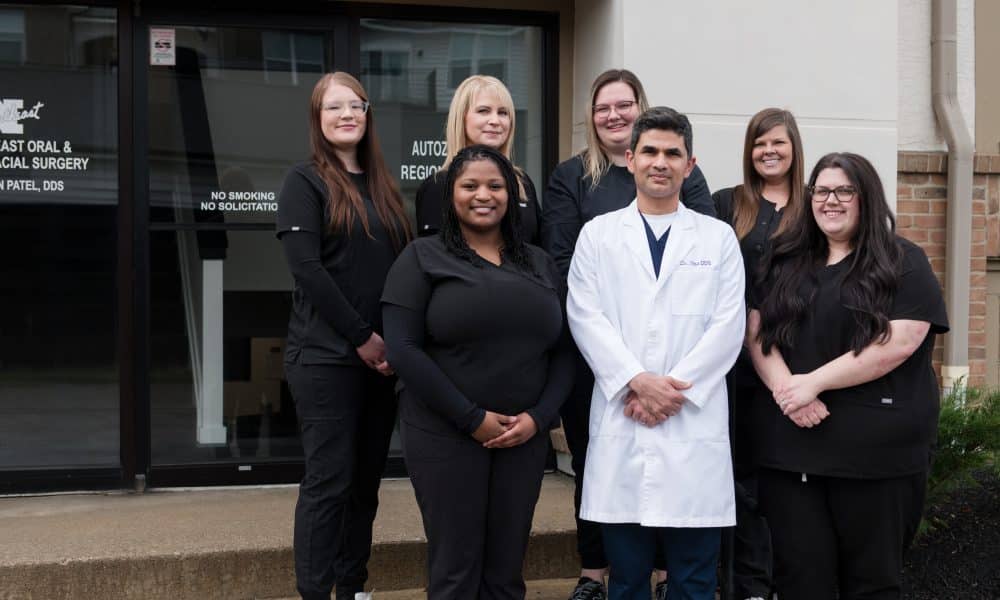
Many patients tell us they felt comfortable every step of the way and appreciated how clearly everything was explained before and after surgery. Dr. Patel and his team are known for calm, direct communication and personal follow-up after procedures, including post-op check-ins by call or text when appropriate, so patients feel supported once they are home.
If you have questions about these instructions, your type of surgery, sedation options, or your recovery plan, our team is here to help. Contact Implant & Oral Surgery of Columbus in Gahanna, Ohio, to schedule an appointment with Dr. Patel and receive procedure-specific guidance designed to support comfort, safety, and a smooth recovery.
We look forward to helping you with your care. Please complete the form and a member of our team will contact you shortly to confirm your appointment details. If you are experiencing a dental emergency, please call our office directly for immediate assistance.